

If you’re considering chiropractic care, or you’re already receiving treatment but have questions about what it involves, you’re not alone. Many people have similar questions about chiropractic treatment, what to expect, and whether it’s right for them.
This comprehensive guide answers the most common questions about chiropractic care, helping you understand what chiropractors do, what adjustments involve, and how to get the most from your care.
Please note: This article is for informational and educational purposes only. If you’re considering chiropractic care or have specific health concerns, consult with a qualified chiropractor for proper evaluation and guidance.
What Does a Chiropractor Do?
Understanding what chiropractors do is the foundation for knowing whether chiropractic care might be right for you.
The Core of Chiropractic Practice
Chiropractors assess, diagnose, and help manage a range of musculoskeletal conditions. Rather than a one-size-fits-all approach, chiropractors consider your individual symptoms, health history, and personal needs before discussing suitable care options.
This individualised approach means your treatment plan is tailored to your specific situation, not a generic protocol applied to everyone with similar symptoms.
What Chiropractic Care May Include
Depending on your assessment and needs, chiropractic care may involve:
Chiropractic Adjustments: Controlled manual techniques that work to restore proper joint function.
Joint Mobilisation: Gentle movement of joints to improve mobility and reduce restriction.
Soft-Tissue Techniques: Work on muscles and surrounding tissues to reduce tension and improve function.
Exercise Advice: Specific exercises tailored to your condition and goals.
Self-Care Guidance: Education on posture, ergonomics, movement patterns, and lifestyle factors that support your health.
This multimodal approach recognises that effective care often involves multiple strategies working together. For example, an adjustment might restore joint function, but maintaining that improvement requires supporting exercises and improved posture.
What is a Chiropractic Adjustment?
Many people have heard about chiropractic adjustments but aren’t entirely sure what they involve. Understanding this core treatment helps demystify chiropractic care.
The Definition
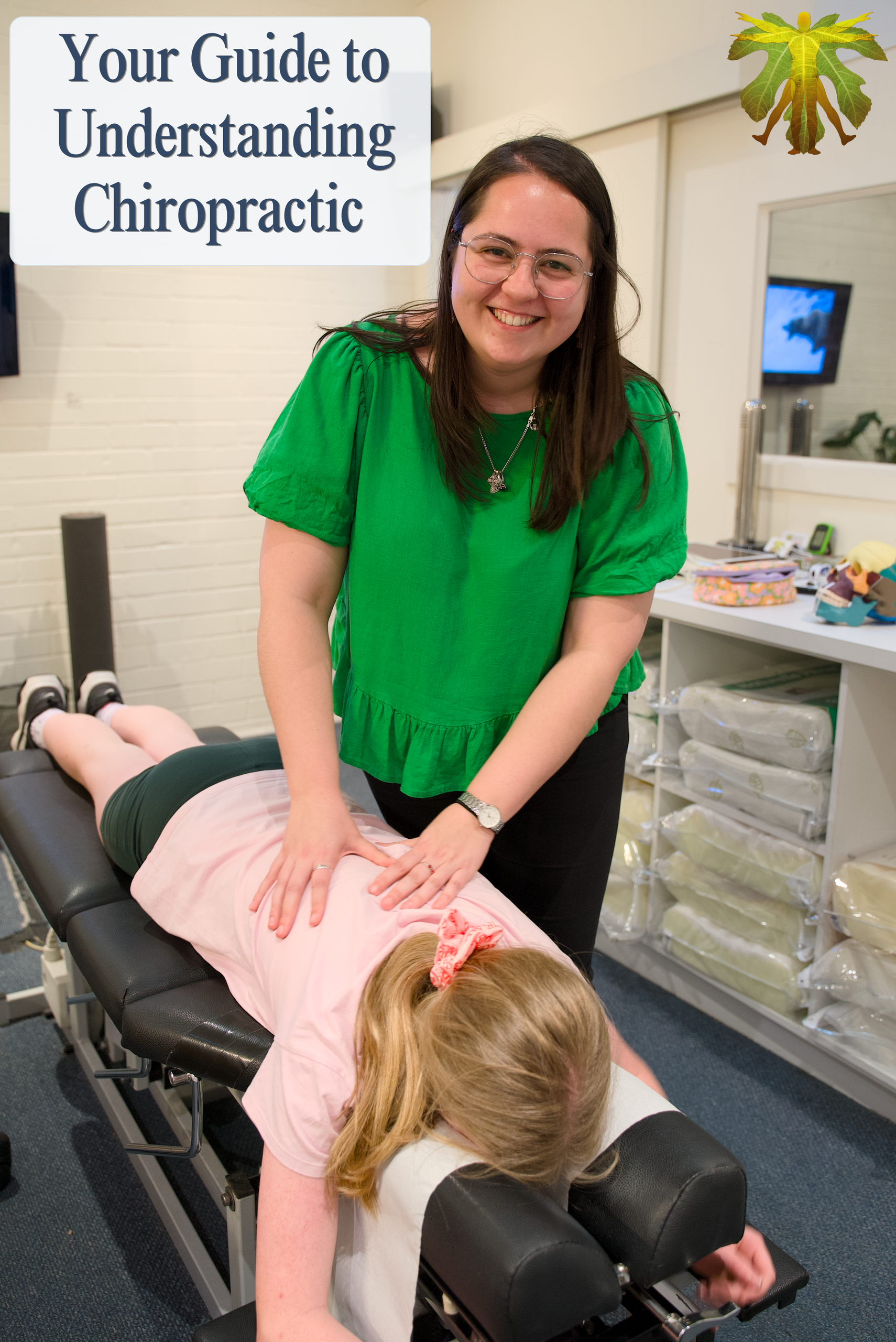
A chiropractic adjustment is a controlled manual technique that applies a specific movement to a joint. It’s designed to work within the joint’s normal range of motion.
The Structure and Support
Your joints are complex structures. Bones, ligaments, muscles, and tissues working together form each joint. This sophisticated system allows movement while maintaining stability.
When joints aren’t moving properly—whether because of injury, poor posture, repetitive strain, or other factors—this coordinated system breaks down. An adjustment aims to restore normal movement. Some adjustments are instrument-delivered with specific devices designed for the purpose.
What to Expect During an Adjustment
Individual Experiences Vary: Everyone’s experience with an adjustment is different, which is important to understand. This means your experience may not match someone else’s, and that’s completely normal.
Possible Sensations: Some people may feel:
- Brief, light pressure as the chiropractor applies a specific force
- Movement or stretching sensation
- The joint moving into a different position
- A release or relief immediately after
Mild Tenderness: Some people experience mild tenderness for a short time after an adjustment, similar to the mild soreness after exercise. This typically resolves within hours or a day.
Comfort is Important: Many people find adjustments comfortable. Your chiropractor will explain what to expect and work to ensure the approach is comfortable and appropriate for you. If something doesn’t feel right, communicate with your chiropractor.
How Adjustments Help
Restoring Movement: Adjustments can help restore proper movement to joints that have become restricted.
Reducing Pain: For some people with certain musculoskeletal problems, adjustments help reduce pain by:
- Reducing nerve irritation
- Improving joint function
- Decreasing muscle tension
- Restoring normal movement patterns
Improving Function: Beyond pain relief, adjustments can improve how your body moves and functions.
Long-Term Benefits: While some people feel improvement immediately, others notice benefits develop over several visits as movement improves and supporting structures strengthen.
What Causes the Popping Sound?
One of the most common questions about chiropractic adjustments concerns the popping or cracking sound some people hear during treatment.
Understanding the Sound
Scientific Term: The scientific term for joint sounds such as clicking, popping, or cracking is “crepitus.”
What Creates the Sound: Changes in pressure within the joint typically cause the popping or cracking sound during an adjustment. As the chiropractor applies a specific movement, pressure within the joint fluid changes. Tiny gas bubbles can form and collapse, creating the sound.
Important Points About the Sound
It Doesn’t Always Happen: Not every adjustment produces a popping sound. Some adjustments are silent, and this doesn’t mean the adjustment was less effective.
It’s Not a Sign of Success: The presence or absence of a popping sound is not an indicator of how well an adjustment worked. Some of the most effective adjustments are silent.
It’s Not Harmful: The sound itself is not concerning or harmful. It’s simply a physiological response to the movement and pressure changes.
It’s Temporary: The popping sound occurs only during the adjustment itself, not before or after.
If the popping sound concerns you, let your chiropractor know. They can explain what’s happening and address any worries you have.
How Soon Might I Notice a Difference?
One of the most practical questions people ask is: “When will I feel better?” The answer depends on several factors.
Timeline Varies
Some People Notice Quick Improvement: Some people notice improvement after just a few visits. They might feel less pain, move more easily, or experience relief quickly.
Others Need More Time: Other people may need more visits before noticing significant changes. This doesn’t mean the care isn’t working—it simply means their situation requires more time.
What Affects Your Timeline
Several factors influence how quickly you notice improvement:
Type of Problem: Acute injuries (recent onset) often improve faster than chronic conditions (long-standing problems). A recent neck strain might improve in days or weeks, while chronic lower back pain might take weeks or months.
How Long You’ve Had It: The longer you’ve had a problem, the more time tissues need to heal and movement patterns need to change. A problem you’ve had for years may take longer to resolve than a recent problem.
Your General Health: Overall health, fitness level, and how well your body heals influence recovery speed.
Your Daily Activities: What you do throughout the day—your job, exercise, hobbies—affects both your progress and timeline.
Steps You Take to Support Recovery: The exercises, stretches, posture corrections, and lifestyle changes you do outside of the clinic significantly influence your progress.
Supporting Your Progress
Healthy Habits Accelerate Improvement:
- Regular movement (even gentle activity)
- Good nutrition
- Quality sleep
- Avoiding smoking
These aren’t just general health advice—they directly support your recovery and improvement.
Home Care Matters: The exercises and self-care strategies your chiropractor recommends are often just as important as the in-clinic treatment. Consistent home care can dramatically accelerate improvement.
How Many Visits Will I Need?
This is another practical question with a practical answer: it depends on your goals and choices.
It’s Your Decision
Your Choice: How long you choose to receive chiropractic care is ultimately your decision. There’s no predetermined number of visits that’s “right” for everyone.
Your Goals: How many visits you need depends on:
- Your specific goals (pain relief, improved function, preventive care)
- Your condition (acute vs. chronic, simple vs. complex)
- How your body responds to care
- Whether you do the recommended home care
Common Visit Patterns
Short-Term Care: Some people visit for a specific musculoskeletal problem—like a recent neck strain or lower back pain—and stop when the problem resolves. This might be 4-12 visits over a few weeks.
Ongoing Wellness Care: Other people choose ongoing care as part of their approach to maintaining mobility and function. They might visit monthly or every few weeks to maintain improvement and prevent problems from recurring.
Mixed Approach: Some people do short-term intensive care to resolve a problem, then transition to periodic maintenance visits.
Finding Your Right Plan
Your chiropractor can help you understand what’s realistic for your situation, but ultimately, you decide what works best for your life, goals, and needs.
Will I Have to Do Anything at Home?
Yes, in most cases, your chiropractor will recommend exercises, stretches, or movement advice to complement your in-clinic care.
Why Home Care Matters
The time you spend in the clinic (typically 15-30 minutes per visit) is important, but the other 23+ hours of your day matter too. What you do at home significantly influences your progress and results.
What Your Chiropractor May Recommend
Exercises: Specific movements or strengthening exercises tailored to your needs.
Stretching: Gentle stretches for tight areas that need more flexibility.
Movement Advice: Guidance on how to move during daily activities to support your recovery.
Posture Correction: Tips for maintaining better posture while working, sitting, or standing.
Lifting Techniques: Proper ways to lift and carry things to protect your body.
Workstation Setup: Advice on ergonomics if your job involves sitting, computer work, or repetitive tasks.
Simple Self-Care: Other strategies like heat/ice application, sleep positioning, or activity modification.
Making It Work
Start Small: You don’t need to do everything perfectly. Starting with one or two recommended strategies and adding more as you build habits is often more successful than trying to do everything at once.
Consistency Matters More Than Intensity: Doing simple movements consistently (every day or most days) is better than occasional intense efforts.
Ask questions: If you don’t understand why your chiropractor recommends something or how to do it, ask them. They should be happy to explain and demonstrate.
Progress Over Perfection: Perfect compliance isn’t the goal—consistent effort is. Even 80% compliance makes a significant difference.
What Qualifications Does a Chiropractor Have?
Understanding your chiropractor’s qualifications helps you make informed decisions about your care.
Education Requirements in Australia
University Education: In Australia, chiropractors complete at least five years of university education in chiropractic science and practice.
Professional Registration: All chiropractors must be registered with the Australian Health Practitioner Regulation Agency (AHPRA), which is the regulatory body for health professionals in Australia.
Maintaining Registration and Standards
Professional Standards: To remain registered, chiropractors are required to:
- Meet ongoing professional standards
- Complete continuing professional development (CPD)
- Maintain their knowledge and skills throughout their career
Accountability: Registration with AHPRA ensures accountability and that chiropractors meet established standards of practice.
Patient Protection: This regulatory system protects patients by ensuring chiropractors have adequate training and maintain professional standards.
Additional Qualifications
Many chiropractors have additional qualifications beyond the basic degree, such as:
- Certifications in sports medicine
- Additional training in paediatric care
- Advanced certifications in specific techniques
- Postgraduate degrees in clinical practice
Ask your chiropractor about their specific qualifications and experience if you’d like to know more.
Understanding Your Chiropractic Journey
Chiropractic care is a partnership between you and your chiropractor. Understanding what chiropractors do, what to expect from adjustments, and your role in the process helps you get the most from your care.
Key Takeaways
Chiropractors assess each patient individually, personalising your care to your situation rather than following a generic protocol.
Adjustments Are Just One Tool: While adjustments are a key part of chiropractic care, they’re often combined with exercises, advice, and self-care strategies.
Your Participation Matters: Home care, lifestyle changes, and the steps you take to support your recovery are just as important as clinic visits.
Progress Takes Time: Improvement timelines vary. Trust the process and communicate with your chiropractor about your progress.
You’re in Control: You decide how many visits you need and what goals you’re working toward.
Making Informed Decisions
Ask Questions: If you don’t understand something, ask. Good chiropractors want you to understand your care.
Discuss Your Goals: Talk with your chiropractor about what you hope to achieve.
Be Honest About Your Situation: Tell your chiropractor about your symptoms, health history, lifestyle, and concerns. This helps them provide the best possible care.
Report Your Progress: Let your chiropractor know if you’re improving, if something hurts, or if you have concerns. They can adjust your care based on your response.
Communicate Your Preferences: If you have preferences about how your care is delivered or what techniques are used, discuss this with your chiropractor.
Visit Adam’s Back
Located at 881 Point Nepean Road in Rosebud, Adam’s Back is committed to providing personalised chiropractic care that addresses your individual needs and goals.
Whether you’re new to chiropractic care and have questions, or you’re looking to improve your current care, we’re here to help.
Our chiropractors:
- Take time to understand your specific situation
- Explain your care and what to expect
- Customise treatment to your goals
- Support your recovery with guidance and encouragement
📍 881 Point Nepean Road, Rosebud 📞 03 5986 5700 ✉️ info@adamsback.com.au 🌐 adamsback.com.au
Hours:
- Monday & Thursday: 9am–12pm, 2–6:30pm
- Tuesday, Wednesday & Friday: 10am–1pm, 3–6:30pm
- Saturday: 10am–1pm
References
[1] Australian Health Practitioner Regulation Agency (AHPRA). Chiropractors. https://www.ahpra.gov.au/
[2] Council on Chiropractic Education Australasia (CCEA). Accreditation Standards. Educational standards for chiropractic programs in Australia and New Zealand.
[3] Bronfort G, Evans R, Anderson AV, et al. Spinal manipulation, medication, or home exercise with advice for acute and subacute neck pain: a randomised trial. Ann Intern Med. 2014;161(3):1-10.
[4] Coulter ID, Crawford C, Hurwitz EL, et al. Manipulation and mobilisation techniques for acute neck pain: the Bone and Joint Decade 2000–2010 Task Force on Neck Pain and its Associated Disorders. J Manipulative Physiol Ther. 2009;32(2 Suppl):S176-S194.
[5] Rubinstein SM, Terwee CB, Assendelft WJ, et al. Spinal manipulative therapy for acute low back pain. Cochrane Database Syst Rev. 2012;9:CD008880.
Disclaimer: This blog post is for informational and educational purposes only. It is not intended as medical advice and should not be used to diagnose or treat any health condition. The information presented does not replace professional chiropractic evaluation and treatment. Always consult with a qualified healthcare professional regarding chiropractic care, your health concerns, or treatment decisions.

Comments are closed